











Content marketing: The paradigm shift in the industry
The paradigm shift in industrial and B2B companies is moving from selling through personal relationships and printed catalogs to earning attention...
9 min read
9 min read
Content marketing in the retail industry is the practice of communicating with shoppers through useful blogs, social media and video, without selling in every message, so that the retailer stays present in their minds, earns trust and builds loyalty. Its importance lies in turning one-time purchases into lasting relationships across physical and digital channels.
Picture the Monday trading meeting at a regional department store chain. The numbers are familiar. Foot traffic in stores is flat, the online store converts well among customers who already know the brand and poorly among everyone else, and the promotional calendar has become a contest of discounts that squeezes margin without growing the customer base. The chief executive asks a question that nobody can answer comfortably. What reason does a shopper have to think about us on a day when there is no sale? The merchandising director talks about assortment, and the marketing director talks about campaigns, but the real answer is closer to what a magazine editor would say. The shopper needs a reason to come back that is not a price.
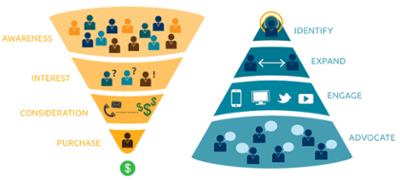
When we talk about content, about directing and sending information to customers, we should recognize that audiences today are interested in material that generates value and has an impact on their daily lives, their routines and their projects. That material has to arrive naturally and organically, without being invasive. It must be aimed at attracting and retaining a previously defined audience and, ultimately, at driving the customer to take action. When it is done correctly, content marketing builds a relationship with the audience, and an audience that trusts the retailer will be more willing to do business when it is ready to decide on a purchase. The relationship does not stop there, because good content should delight customers and turn them into advocates for the brand. The article that follows begins with what content marketing is, explains why it matters for retail and reviews the formats that work best.
>> Why is content marketing crucial for your sales team <<Content marketing is the art and science of communicating with prospects and customers without selling to them. In retail, that means publishing material that helps people decide what to buy, how to use it and how to enjoy it, and doing so consistently enough that the brand becomes part of their routine. It differs from advertising in a simple way. Advertising asks for attention for a moment, while content earns attention over time.
The argument for retailers rests on how shoppers behave. According to a study by PwC, 40% of users use social media for purchasing decisions rather than advertising. Therefore, a content marketing blog is a fundamental strategy for retail companies, which must communicate constantly with consumers, position themselves in their minds, remain present and seek brand loyalty. Shoppers also use many channels at once. A Harvard Business Review study of 46,000 shoppers found that the more channels shoppers use, the more money they spend, which means that content needs to travel with the customer between the store, the website, the app and social networks.
In recent years, the retail sector has been forced to engage with the digital world, to increase contact with the public and with end consumers and to grow sales. The arrival of the coronavirus pandemic found no exception in the sector, and the scenario accelerated the use of social networks and digital channels such as ecommerce to meet consumer needs. These channels helped the sector offset declining income and pushed retailers toward an omnichannel concept or offer. What began as an emergency response has become a permanent expectation, since shoppers now assume that a brand will be available, informative and consistent wherever they meet it.
In that environment, content serves several purposes that connect directly to commercial results. It educates consumers about the products and services the retailer offers, which reduces doubt at the moment of purchase. It helps drive conversions across the different communication channels, because a shopper who has read a guide or watched a demonstration arrives at the product page better prepared to buy. It fosters relationships between customers and the business, which leads to brand loyalty. It shows the audience how the retailer's products and services resolve their challenges, so that the offer is presented as a solution and not as an item. And it allows the retailer to create a sense of community around the brand, a form of belonging that discounting cannot buy.
For an executive, the most valuable of these effects may be the least visible one. Content lowers the cost of every future interaction. A customer who trusts a retailer's advice responds to a new collection launch without an expensive promotion, and a customer who is part of the community recommends the brand to others. ICX explores how experience and loyalty reinforce one another in its article on the power of customer experience in retail.
The blog is the foundation of a retail content program because it gives the brand a place to publish material that answers real questions and that search engines can find. With a blog, a retailer can promote other internal and external content through links, add social sharing buttons and incorporate product information naturally. The aim is for the shopper to find useful advice and then, almost without noticing, to find the product that fits it.
Consider the example of Aliss, a department store that shares content on its blog about how to organize different spaces in the home. It publishes regularly to keep readers interested and engaged, with a wide range of topics related to the items it sells and the different ways of combining them. The method is worth studying because it inverts the usual logic of retail communication. Instead of starting with the product and searching for an audience, it starts with the shopper's project, such as arranging a living room or furnishing a small apartment, and lets the products appear as natural elements of the solution. A hardware retailer can do the same with seasonal home maintenance guides, and a grocery chain with weekly meal planning tied to its promotions.
With so many social media users worldwide, it is easy to understand why companies invest in platforms such as Facebook, Instagram, Pinterest, LinkedIn and TikTok. Each of them allows the retailer to work in several formats, including photos, live videos, pre-recorded videos and stories, and each reaches a different part of the audience. Used well, social media lets a brand communicate reach, personality and responsiveness in a way that a static website cannot.
A useful illustration is the Facebook page of Covergirl LA, which shares and shows different product options, styles, colors, textures, variety and benefits. The profile conveys a very active dedication to communicating and to satisfying consumer needs. For a retailer, the lesson is that social content works best when it combines inspiration with practical information, so that a follower can move from admiring a look to understanding what it contains and where to buy it. It also provides a continuous stream of feedback, since comments and messages reveal what shoppers like, what confuses them and what they expect next. That feedback is the raw material of the Voice of the Customer, which ICX discusses in making the Voice of the Customer count.
Brand momentum is also generated through videos that capture consumer attention. In its most recent survey, Wyzowl found that 63% of consumers would most like to learn about a product or service by watching a short video, against 12% who chose reading an article, and that 82% of marketers say video has given them a good return on investment. Video can drive conversions, improve ROI and build relationships with audience members. One of its advantages is that it can be shared on different platforms, which allows the retailer to reach a wider audience with the same piece of work.
Brands such as Carolina Herrera show another dimension of video. Their films inspire with beauty and highlight the strength of women, and in doing so they communicate values as well as products. In retail, where many categories compete on similar assortments, values and identity are often what separate one brand from another. ICX explains how to begin in its guide on how to start using videos in your marketing strategy.
Content works best when it is tied to what the retailer knows about its customers. A loyalty program, an online store and a CRM generate data about what people buy, when and through which channel. When that information shapes the content a customer receives, the experience feels personal and not generic. A shopper who has bought baby products receives guidance on the next stage, and a customer who browses outdoor furniture in spring receives a guide to caring for it. The buyer persona in the retail industry and the customer journey in retail provide the frameworks to decide who receives which content and when.
Automation makes this practical at scale. A retailer with hundreds of thousands of customers cannot send each one a personal note, but it can define triggers, such as a first purchase, an abandoned cart or a birthday, that send relevant content automatically. The ICX article on automation in the retail industry develops this idea. The content program and the operational program should be designed together, because the best message loses its value if the store is out of stock, the delivery is late or the return process is complicated.
The principles apply across the retail landscape, but their expression varies. Imagine a home improvement chain that wants to attract first-time homeowners. Its blog publishes a series on the first year in a new house, from painting a room to maintaining a garden, with each article linked to the products and tools needed and to in-store workshops. Video tutorials on common repairs expand the reach, and the CRM records which projects a customer has started, so that follow-up content suggests the next step. The chain is no longer competing with discounters on a single item. It is competing as the advisor for a life stage.
Consider a fashion retailer with a strong online presence. Styling guides, short videos that show how to combine a garment in several ways and social content built around real customers create a continuous conversation with shoppers. The retailer measures which pieces of content lead to purchases, and it uses the results to guide buying decisions for the next season. A supermarket chain can publish recipes and weekly menus that tie into its promotions, reduce the effort of deciding what to cook and increase basket size. A beauty brand can demonstrate textures, shades and application techniques through video, which answers the questions that keep many shoppers from buying cosmetics online.
In every case, content moves the relationship from transaction to guidance, and that shift is what makes loyalty durable.
For the chief executive, content marketing is a way to build an asset that competitors cannot copy overnight. Pricing and assortment can be matched, but a library of trusted advice and a community of engaged customers take years to assemble. The investment therefore belongs in the strategic plan, with a multi-year horizon and clear indicators, and not in the promotional calendar.
For the chief marketing officer, the challenge is to connect content to commercial outcomes. The measures that matter are the contribution of content to qualified traffic, to conversion, to repeat purchase and to the cost of acquiring and retaining customers, and they should be reported alongside sales. For the chief commercial officer and the heads of merchandising, content is a source of insight about what shoppers want, and it should inform assortment, pricing and promotions. For the chief financial officer, the point is that content reduces dependence on discounts. Each customer who returns for advice and not for a promotion contributes margin that would otherwise be given away.
For the chief customer officer and the heads of digital and operations, the priority is consistency. The promise made in content must be kept by the store, the website, the delivery and the service team. Content that raises expectations the operation cannot meet damages trust faster than silence would.
A seasoned consultant would begin with the customer and not with the calendar. Identify the three customer segments that matter most to the business, and for each one write down the questions they ask before buying, the problems they are trying to solve and the places where they look for answers. Review the questions that store staff and the contact center hear most frequently, because they are a free source of content topics.
Then choose one format for each segment and commit to a modest, regular rhythm, for example a blog article every week, a social media schedule built around the same themes and one video a month on the topic that generates the most questions. Connect the content to the CRM so that you can see which pieces are viewed by which customers and what they buy afterward. After a quarter, review which topics attract qualified visitors, which ones lead to purchases and which ones deserve more investment. This approach produces learning from the first month and avoids the common error of launching an ambitious program that cannot be sustained.
The most important discipline is consistency. A retailer that publishes useful content every week for a year builds a position that a retailer with a burst of campaigns cannot match.
ICX Consulting helps retailers connect content, customer data and commercial strategy. Our content marketing strategy consulting defines the audiences, themes and formats that fit each brand, while our work with retail customer experience consulting aligns the content with the journey and with the store, ecommerce and service operations. We implement the supporting systems on platforms such as HubSpot and Adobe Commerce, so that content, customer data and commerce work together. To map the moments in which content can influence a shopper, you can start with the Customer Journey Toolkit.
Bring this topic to your company
An ICX Consulting advisor will assess where your organization stands today and which decisions can move your commercial and customer experience results.
Advertising pays for attention and asks for an immediate response, usually a purchase. Content marketing earns attention by being useful, and it builds a relationship that pays off over time. Retailers need both, but content lowers the cost of future advertising because it creates an audience that already trusts the brand.
Start where your customers already are and where you can be consistent. For many retailers that means a blog supported by social media, because the blog creates a lasting library and social channels distribute it. Add video once you have identified the topics that generate the most interest, since video demands more resources to produce.
Track the traffic that content attracts, the share of that traffic that converts into customers or subscribers, the purchases that follow, repeat purchase rates and the cost of acquiring customers. Linking content to the CRM and to sales data allows a retailer to see which topics contribute to revenue and not only to visits.
Yes, and often more than large retail, because small retailers can offer expertise and a personal voice that large chains find difficult to imitate. A local store that publishes practical advice and shows its team's knowledge can build loyalty that does not depend on price.
If your shoppers only hear from you when there is a sale, the opportunity is to give them a reason to engage all year. Request a diagnostic with an ICX consultant and we will help you design a content program that builds loyalty and sustains margin across your channels.

The paradigm shift in industrial and B2B companies is moving from selling through personal relationships and printed catalogs to earning attention...

 Sofía Oviedo : May 29, 2025
A buyer persona in the retail industry is a research-based profile of a typical shopper or business buyer that describes who they are, what they...

 Meicel Valverde : May 29, 2025
Automation in the retail industry means using technology to run repetitive commercial and operational tasks, such as inventory control, checkout,...

