











How to create a follow-up sequence on HubSpot?
A follow-up sequence in HubSpot is a prepared series of emails and tasks that the CRM schedules for a prospect after first contact, and that stops by...
9 min read
9 min read
To spark the interest of prospects in follow-up emails, write each message so that it gives the reader a reason to answer, such as a relevant insight, a similar customer story or a clear next step, and space the sequence over time with a defined end. A follow-up works when it feels like help with a real business challenge and not like a reminder that you want to sell something.
Picture a sales director at a consulting firm reviewing the pipeline on a Friday afternoon. Eleven proposals were sent in the last six weeks. Four have a signed contract. Seven have gone silent, and when she asks the team what happened, the answers are the same. The client seemed interested, the proposal went out, and then nothing. Nobody was rejected. Nobody was told no. The deals simply died of neglect, because the second and third emails that might have revived them were never written, or were written in a hurry and said little more than "just checking in."
That scene repeats in almost every company that sells to other companies. The cost is not visible in any report, since a prospect that stops answering does not show up as a loss. It shows up as a forecast that does not materialize. The cause is not laziness. Experienced salespeople often give up too soon, fearing they will annoy the customer, or because writing and organizing emails takes time they would rather spend finding new contacts. Both fears are understandable, and both are expensive. The remedy is a follow-up sequence designed with the same care as the proposal itself.
This article sets out how to write that sequence, from the subject line of the first message to the decision to stop. It draws on the principle that a prospect's inbox is a crowded place, and that the only emails that get answered are the ones that make a busy person's day easier.
A professional receives and sends well over a hundred emails a day, and the number tends to increase with authority and responsibility within an organization. In that environment, the decision to open a message is made in a second, based on the sender and the subject line. Many emails are not even opened because the subject and header do not interest the reader or draw enough attention. Any of us can recognize this behavior in our own morning routine, when we sit down, open the laptop and delete half of the messages without reading them.
There is a second, deeper reason. Buyers increasingly prefer to do their research alone. Gartner reported in March 2026, based on a survey of 646 B2B buyers, that 67% of B2B buyers say they prefer a rep-free experience. A prospect who values independence will tolerate a salesperson's message only if it saves time or reduces risk. The reality, as experienced salespeople know, is that no one wants to read a sales email, but everyone wants to know whether someone can help with the challenges they face every day. The writing task, then, is to present yourself as that someone.
Prospects ignore follow-ups for three recurring reasons. The message is long and full of generic phrases, it asks for something without offering anything, or it arrives at the wrong moment in the buying process. The first two are problems of writing, and the third is a problem of sequence. Both can be solved.
>> Generation of effective sales <<
Start with empathy. Put yourself in the reader's position and ask what the person is trying to achieve this quarter and what stands in the way. Be polite and direct, avoid the tone of "I have to sell you something" or "buy from me," and write short messages that a busy person can read in under a minute. Prospects do not have time for long emails full of common phrases.
The subject line deserves most of the effort, because it is the first thing the reader sees and it must attract attention and action. It is usually best to personalize it, including the name of the person or the company, and to promise something specific. A subject line such as "Idea to shorten your month-end close" says more than "Following up on our proposal."
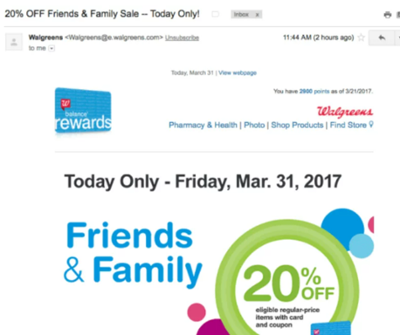
The body must carry the weight of the argument. When presenting the product or service, go beyond listing features and benefits. Tell the experience, use mentions in articles and other blogs that show why you can help, and anticipate the questions every buyer has. Why should I buy from you? How does it benefit me? How much does it cost? Answering these honestly, explaining your differentiator and your price, describing success stories in which you took part and offering a guarantee in the form of a downloadable resource or a step-by-step guide are the elements that build trust. Being sincere about why you are better than your competitors, and why it is worth buying, is part of the message. A related discipline is account-based thinking, described in our article on how to develop Account-Based Marketing strategies, which helps tailor the message to the company and not only to the individual.
>> How to develop Account-Based Marketing strategies in your company? <<
Think of the sequence as a conversation that moves through six moments, each with a different purpose. The first is the initial email. It introduces both the professional and the company, and it is best sent after the prospect has browsed the website, downloaded content, read a blog post or taken some other action that justifies contact. Its goal is a meeting, and it shows relevant previous experience without pretending to close anything.
The second is the follow-up. It does not need to be technical and it should not pressure the prospect. Its job is to show that you are attentive and that you take the person into account. Sent a few days or weeks later, it is a good place to include a use case, a short story of a similar company that faced the same situation. Imagine a software provider for logistics companies writing to the operations director of a regional distributor. Instead of asking whether the director had read the first email, the follow-up shares how another distributor cut delivery exceptions after changing its dispatch process, and offers a ten-minute call to see whether the same applies.
The third moment is the move toward a sales proposal. Here it is legitimate to show a little more of your sales intention. State the problem you solve, the solution, how you do it and some stories of customers that help the buyer feel confident. The fourth is the quotation of the product or service, which should arrive only after an initial meeting and some progress in generating interest. A price sent to a prospect who has not yet understood the value is simply a number to compare.
The fifth is the follow-up on the quotation. Keep it short and diplomatic. This message often receives an answer, because it shows the prospect that you are aware of them after communication has been lost for some reason. The response may be a thank-you, an apology for the silence or the resumption of the project. The sixth is the next attempt, and it requires judgment. It is good to follow up, but it is also important to follow up on new opportunities and not waste more time on something you know is lost. A closing note that politely releases the prospect from further messages often provokes the reply that the previous four did not, because it removes the pressure.
Technology can protect this discipline. In HubSpot, for example, a sequence lets a salesperson combine automated emails with reminders to call or send a personal note. According to HubSpot's documentation, contacts are by default unenrolled from a sequence when they reply or book a meeting, delays are set in business days, and sequences require a Sales Hub or Service Hub Professional or Enterprise subscription. Those features prevent the most embarrassing error in follow-up, which is to send a reminder to someone who has already answered. Our guide on how to create a follow-up sequence on HubSpot and the article on automating the follow-up of business opportunities with workflows show how to configure it.
Emails sent cold will not always be well received. The person may feel invaded and surprised that you have their information when they do not know you. That is why it is advisable to start with your existing database, following up with contacts who arrived because they filled out a form, downloaded a guide or read your blog. These people have already raised their hand, and a message that refers to what they did feels natural. The continuous creation of relevant content to attract new prospects, which grows the database organically, is the foundation of this approach, and it is a recurring theme in our article on lead or qualified lead, and how to generate effective sales.
There is an honest limit to this advice. Some industries, such as enterprise software or industrial equipment, depend on outbound outreach to accounts that have not yet shown interest. In those cases the same principles apply with more care: research the account, refer to a verifiable fact about its business, and make the request small. The phone remains part of the mix, and our piece on cold prospecting and six mistakes made when making a call explains how the two channels support each other.
Consider how this plays out in real estate development, where a buyer may take months to decide. A developer who sends the same brochure three times loses the lead. One who sends a floor plan after the first visit, a neighborhood guide a week later and an invitation to a model-unit tour when the buyer reopens the pricing email gives the prospect a reason to engage at each stage. The messages differ because the buyer's question differs. The principle holds in manufacturing, financial services and healthcare alike. Each email answers the question the prospect is asking now, and the sequence advances only when the prospect shows that the previous question has been resolved.
>> Read 4 Reasons why sales goals are not reached. <<
For the chief commercial officer, follow-up discipline is one of the cheapest sources of revenue in the company, because it recovers deals that already cost money to generate. The practical question is whether the organization has a standard for follow-up or leaves it to each salesperson's temperament. A shared standard, with defined intervals, approved messages and a rule for when to stop, makes results less dependent on individuals and the forecast more reliable.
For the chief marketing officer, the implication is alignment. Content produced by marketing, such as case studies, guides and short use cases, is the raw material of effective follow-ups, and sales should be able to find and use it in seconds. For the chief financial officer, a sequence that is measured, with open rates, reply rates and meetings booked per hundred contacts, turns an intangible activity into a process with a cost and a return. And for the chief executive, the message is cultural. A company that treats every prospect with respect, including the decision to stop writing when interest is gone, protects its reputation as it grows revenue.
Take the last ten proposals that went silent and read the follow-up emails that were sent, if any. You will probably find that most were generic, that few offered anything new and that many arrived too close together or too far apart. Choose one segment of customers, perhaps mid-sized manufacturers or private clinics, and write a six-message sequence for it with a different purpose in each message, a single call to action and a clear closing note.
Ask marketing for two case stories and one useful resource to include. Set the intervals, for example a few days after the first message and a week or two for the later ones, and record who is responsible for each step. Run it with five or six prospects for a month, review which messages received replies and adjust the wording. Then put the sequence in your CRM so that it runs consistently. The goal is not to send more emails. It is to ensure that every interested prospect receives a thoughtful, timely and respectful series of messages before the company decides they are not a fit.
ICX Consulting is a customer experience and commercial strategy consulting firm headquartered in Miami. We help sales organizations design the sequences, messages and handoffs that move a prospect from first contact to signed proposal, and we implement them in the CRM so that follow-up happens on time. Our work in sales automation, lead nurturing and sales enablement gives teams the content, the process and the tools to follow up well, with HubSpot as one of the platforms we use to put it in place.
A clear message starts with a clear promise. The Value Proposition Toolkit helps you define what you offer, to whom and why it matters, which is the material your follow-up emails are made of.
Bring this topic to your company
An ICX Consulting advisor will assess where your organization stands today and which decisions can move your commercial and customer experience results.
Plan for a defined sequence of about five or six messages over several weeks, each with a different purpose, and then stop with a courteous closing note. Continuing beyond that point rarely produces results and can damage your sender reputation and the relationship.
Early messages can be a few days apart, while later ones benefit from longer intervals of one to two weeks. The right rhythm depends on your sales cycle, so compare reply rates by interval and adjust.
Generally no. The first goal is a conversation, and a price without context invites comparison. Include pricing in the quotation stage, after the prospect understands the problem you solve and the value of your solution.
Offer something useful in each message, such as an example, a short resource or an observation about the prospect's industry, and keep the request small. Writing as if you were helping a colleague, not closing a sale, changes the tone naturally.
Follow-up emails succeed when they respect the reader's time and give them a reason to reply. A clear subject line, relevant stories, honest answers to the buyer's main questions and a sequence with a beginning and an end convert interest into meetings and proposals into decisions. If your team is sending proposals that disappear into silence, request a diagnostic with an ICX consultant and we will help you build a follow-up process that earns more answers.

A follow-up sequence in HubSpot is a prepared series of emails and tasks that the CRM schedules for a prospect after first contact, and that stops by...

A HubSpot Sequence is a sales automation tool that sends a planned series of personalized emails and follow-up tasks to a prospect from a...

To automate business processes with HubSpot, companies combine two tools. Workflows run rules across the CRM, such as assigning leads, updating...

